

Indoor pets enjoy safety, comfort, and protection from many outdoor risks. Living indoors protects them from traffic, harsh weather, and dangerous animals. However, indoor living also limits the variety of experiences animals naturally encounter in outdoor environments. Without enough stimulation, pets may become bored or restless. Their instincts to explore, hunt, or solve problems remain active even inside the home. Mental stimulation helps satisfy these natural behaviors and supports overall well-being. Providing enriching activities helps ensure indoor pets remain active, curious, and emotionally balanced.
Understanding Natural Animal Instincts
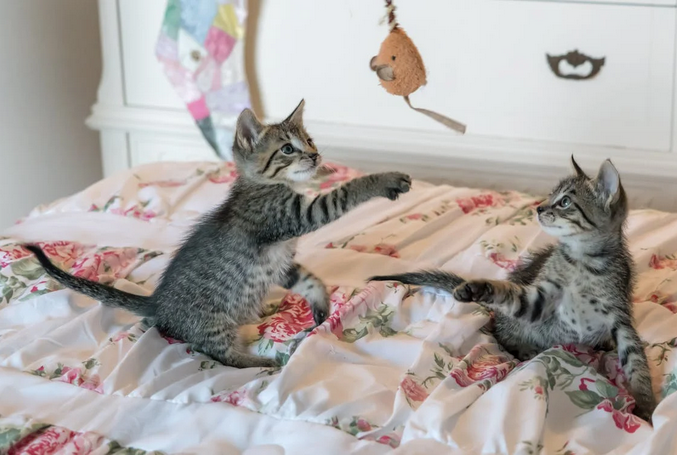
Animals possess natural instincts that guide their behavior. Dogs often enjoy searching, exploring, and interacting with their surroundings. Cats may instinctively stalk, chase, and investigate movement. Outdoor environments naturally provide these experiences. Animals encounter scents, sounds, and changing scenery that stimulate their minds. Indoor pets rely on their owners to provide similar opportunities. When pets lack stimulation, they may express frustration through destructive behavior or excessive vocalization. Recognizing these instincts helps owners create activities that support natural behaviors even inside the home.
Preventing Boredom and Behavioral Problems
Boredom can lead to behavioral challenges for indoor pets. Animals that feel mentally unstimulated may chew furniture, scratch surfaces, or engage in repetitive actions. These behaviors are not signs of misbehavior. They often indicate that pets need more mental engagement and activity. Providing stimulating experiences helps reduce these problems. Interactive toys, puzzle feeders, or scent-based games encourage pets to think and explore. Mental challenges allow pets to focus their energy in constructive ways. Over time, these activities help ensure pets remain calmer and more satisfied in their environment.
Strengthening the Bond Between Pets and Owners

Mental stimulation often involves interaction between pets and their owners. These activities provide opportunities for communication and trust. Playing games, teaching simple commands, or introducing new toys encourages cooperation and engagement. Pets enjoy the attention and guidance they receive during these activities. Regular interaction also helps owners better understand their pets’ personalities and preferences. Each animal responds differently to stimulation. Spending time together strengthens the emotional connection between pets and their families. This relationship contributes to the pet’s overall sense of security and comfort.
Supporting Physical Health Through Mental Activity
Mental stimulation often leads to increased physical movement. Activities that require pets to think frequently involve exploring, chasing, or searching. For example, toys that release food gradually encourage pets to work for their meals. This process stimulates both the mind and body. Short play sessions throughout the day can also support physical health. These moments help indoor pets maintain a healthy weight and muscle strength. Movement combined with mental engagement creates balanced activity that benefits the entire body.
Creating an Enriching Indoor Environment

An enriching environment encourages pets to explore their surroundings. Even small changes inside the home can create stimulating experiences. Different textures, safe climbing spaces, or windows with outside views provide sensory variety. Pets often enjoy observing birds, people, or passing cars from a comfortable location. Rotating toys periodically can also maintain interest. When pets encounter new or rarely used items, curiosity increases. These small adjustments help ensure indoor environments remain interesting and engaging for pets.
Recognizing Individual Preferences
Each pet has its own personality and preferences. Some animals enjoy energetic play sessions, while others prefer quiet exploration. Observing how pets respond to different activities helps owners identify what they enjoy most. For example, some cats prefer chasing moving objects, while others enjoy climbing or hiding. Dogs may enjoy scent-based games or learning simple commands. Adjusting activities to match these preferences makes stimulation more effective. Recognizing individual interests helps ensure pets remain engaged rather than overwhelmed.
Mental stimulation plays a crucial role in maintaining the well-being of indoor pets. Without opportunities to explore and think, animals may experience boredom and frustration. Providing engaging activities supports natural instincts and helps prevent behavioral challenges. These experiences also strengthen the bond between pets and their owners. An enriching home environment encourages curiosity, movement, and emotional balance. Through thoughtful interaction and creative activities, owners can help ensure their pets remain happy and mentally healthy throughout their lives.…